This website uses cookies to improve your experience
We use cookies on our website to give you the most relevant experience by remembering your preferences and repeat visits. By clicking “Accept”, you consent to the use of ALL the cookies.
This website uses cookies to improve your experience while you navigate through the website. Out of these cookies, the cookies that are categorized as necessary are stored on your browser as they are essential for the working of basic functionalities of the website. We also use third-party cookies that help us analyze and understand how you use this website. These cookies will be stored in your browser only with your consent. You also have the option to opt-out of these cookies. But opting out of some of these cookies may have an effect on your browsing experience.
We use necessary cookies to ensure our website works properly and provide essential functionalities and security features. These cookies do not collect any personal information and are always enabled. By continuing to use our website, you agree to our use of these cookies.
Functional cookies enable specific functionalities such as social media sharing, feedback collection, and other third-party features. These cookies may collect anonymous data to improve user experience.
To enhance user experience, we use performance and analytical cookies to understand and analyze the key performance indexes of our website. Performance cookies help us deliver better user experiences by tracking metrics such as load times and response times. Analytical cookies help us understand how visitors interact with our website by providing information on metrics like the number of visitors, bounce rate, traffic source, and more.
Cookie
_clck
Duration
1 year
Description
This cookie is installed by Microsoft Clarity to store information of how visitors use a website and help in creating an analytics report of how the website is doing. The data collected including the number visitors, the source where they have come from, and the pages visited in an anonymous form.
This cookie is installed by Microsoft Clarity to store information of how visitors use a website and help in creating an analytics report of how the website is doing. The data collected including the number visitors, the source where they have come from, and the pages visited in an anonymous form.
This cookie is installed by Microsoft Clarity to store information of how visitors use a website and help in creating an analytics report of how the website is doing. The data collected including the number visitors, the source where they have come from, and the pages visited in an anonymous form.
This cookie is installed by Microsoft Clarity to store information of how visitors use a website and help in creating an analytics report of how the website is doing. The data collected including the number visitors, the source where they have come from, and the pages visited in an anonymous form.
To personalize your online experience, we use advertisement cookies that track your activity across websites and gather information to display relevant ads and marketing campaigns. These cookies help us tailor our advertising to your interests and preferences.
Cookie
_uetsid
Duration
30 minutes
Description
This cookie is used by Bing to determine what ads should be shown that may be relevant to the end user perusing the site.
Book now to experience riverside grounds, a fully-equipped watersports centre, 19 tennis courts, kids' clubs and more. Plus, save on our best rates when you sign up to our email list when booking.
Experience the magic of a riverside wedding with our exclusive late availability offers. Find out more today by contacting weddings@lensbury.com or 020 8614 6450
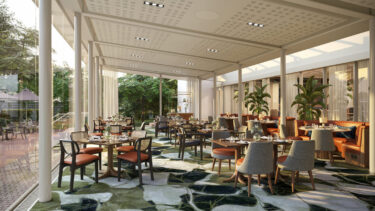
A brand-new chapter of dining at The Lensbury is taking shape. Ahead of its opening in late summer, learn more about our spaces and the ideas that bring them to life.
Back by popular demand, Teddington’s top tail‑wagging event returns this September. Join us for a paw-sitively exciting day celebrating our four-legged friends on the beautiful grounds of The Lensbury!
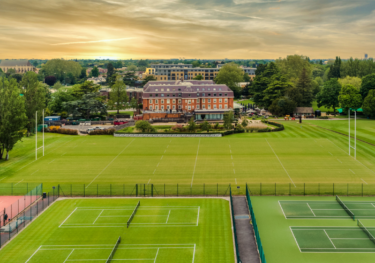
From hosting events to holding Team Building days, The Lensbury makes the perfect venue with its 25 acres of riverside grounds and excellent facilities.
Book now to experience riverside grounds, a fully-equipped watersports centre, 19 tennis courts, kids' clubs and more. Plus, save on our best rates when you sign up to our email list when booking.
Experience the magic of a riverside wedding with our exclusive late availability offers. Find out more today by contacting weddings@lensbury.com or 020 8614 6450
A brand-new chapter of dining at The Lensbury is taking shape. Ahead of its opening in late summer, learn more about our spaces and the ideas that bring them to life.
Back by popular demand, Teddington’s top tail‑wagging event returns this September. Join us for a paw-sitively exciting day celebrating our four-legged friends on the beautiful grounds of The Lensbury!
From hosting events to holding Team Building days, The Lensbury makes the perfect venue with its 25 acres of riverside grounds and excellent facilities.
Book now to experience riverside grounds, a fully-equipped watersports centre, 19 tennis courts, kids' clubs and more. Plus, save on our best rates when you sign up to our email list when booking.
Experience the magic of a riverside wedding with our exclusive late availability offers. Find out more today by contacting weddings@lensbury.com or 020 8614 6450
A brand-new chapter of dining at The Lensbury is taking shape. Ahead of its opening in late summer, learn more about our spaces and the ideas that bring them to life.
Back by popular demand, Teddington’s top tail‑wagging event returns this September. Join us for a paw-sitively exciting day celebrating our four-legged friends on the beautiful grounds of The Lensbury!
From hosting events to holding Team Building days, The Lensbury makes the perfect venue with its 25 acres of riverside grounds and excellent facilities.
Book now to experience riverside grounds, a fully-equipped watersports centre, 19 tennis courts, kids' clubs and more. Plus, save on our best rates when you sign up to our email list when booking.
Experience the magic of a riverside wedding with our exclusive late availability offers. Find out more today by contacting weddings@lensbury.com or 020 8614 6450
A brand-new chapter of dining at The Lensbury is taking shape. Ahead of its opening in late summer, learn more about our spaces and the ideas that bring them to life.
Back by popular demand, Teddington’s top tail‑wagging event returns this September. Join us for a paw-sitively exciting day celebrating our four-legged friends on the beautiful grounds of The Lensbury!
From hosting events to holding Team Building days, The Lensbury makes the perfect venue with its 25 acres of riverside grounds and excellent facilities.
Book now to experience riverside grounds, a fully-equipped watersports centre, 19 tennis courts, kids' clubs and more. Plus, save on our best rates when you sign up to our email list when booking.
Experience the magic of a riverside wedding with our exclusive late availability offers. Find out more today by contacting weddings@lensbury.com or 020 8614 6450
A brand-new chapter of dining at The Lensbury is taking shape. Ahead of its opening in late summer, learn more about our spaces and the ideas that bring them to life.
Back by popular demand, Teddington’s top tail‑wagging event returns this September. Join us for a paw-sitively exciting day celebrating our four-legged friends on the beautiful grounds of The Lensbury!
From hosting events to holding Team Building days, The Lensbury makes the perfect venue with its 25 acres of riverside grounds and excellent facilities.
Book now to experience riverside grounds, a fully-equipped watersports centre, 19 tennis courts, kids' clubs and more. Plus, save on our best rates when you sign up to our email list when booking.
Experience the magic of a riverside wedding with our exclusive late availability offers. Find out more today by contacting weddings@lensbury.com or 020 8614 6450
A brand-new chapter of dining at The Lensbury is taking shape. Ahead of its opening in late summer, learn more about our spaces and the ideas that bring them to life.
Back by popular demand, Teddington’s top tail‑wagging event returns this September. Join us for a paw-sitively exciting day celebrating our four-legged friends on the beautiful grounds of The Lensbury!
From hosting events to holding Team Building days, The Lensbury makes the perfect venue with its 25 acres of riverside grounds and excellent facilities.
Book now to experience riverside grounds, a fully-equipped watersports centre, 19 tennis courts, kids' clubs and more. Plus, save on our best rates when you sign up to our email list when booking.
Experience the magic of a riverside wedding with our exclusive late availability offers. Find out more today by contacting weddings@lensbury.com or 020 8614 6450
A brand-new chapter of dining at The Lensbury is taking shape. Ahead of its opening in late summer, learn more about our spaces and the ideas that bring them to life.
Back by popular demand, Teddington’s top tail‑wagging event returns this September. Join us for a paw-sitively exciting day celebrating our four-legged friends on the beautiful grounds of The Lensbury!
From hosting events to holding Team Building days, The Lensbury makes the perfect venue with its 25 acres of riverside grounds and excellent facilities.
Book now to experience riverside grounds, a fully-equipped watersports centre, 19 tennis courts, kids' clubs and more. Plus, save on our best rates when you sign up to our email list when booking.
Experience the magic of a riverside wedding with our exclusive late availability offers. Find out more today by contacting weddings@lensbury.com or 020 8614 6450
A brand-new chapter of dining at The Lensbury is taking shape. Ahead of its opening in late summer, learn more about our spaces and the ideas that bring them to life.
Back by popular demand, Teddington’s top tail‑wagging event returns this September. Join us for a paw-sitively exciting day celebrating our four-legged friends on the beautiful grounds of The Lensbury!
From hosting events to holding Team Building days, The Lensbury makes the perfect venue with its 25 acres of riverside grounds and excellent facilities.
Book now to experience riverside grounds, a fully-equipped watersports centre, 19 tennis courts, kids' clubs and more. Plus, save on our best rates when you sign up to our email list when booking.
Experience the magic of a riverside wedding with our exclusive late availability offers. Find out more today by contacting weddings@lensbury.com or 020 8614 6450
A brand-new chapter of dining at The Lensbury is taking shape. Ahead of its opening in late summer, learn more about our spaces and the ideas that bring them to life.
Back by popular demand, Teddington’s top tail‑wagging event returns this September. Join us for a paw-sitively exciting day celebrating our four-legged friends on the beautiful grounds of The Lensbury!
From hosting events to holding Team Building days, The Lensbury makes the perfect venue with its 25 acres of riverside grounds and excellent facilities.
Book now to experience riverside grounds, a fully-equipped watersports centre, 19 tennis courts, kids' clubs and more. Plus, save on our best rates when you sign up to our email list when booking.
Experience the magic of a riverside wedding with our exclusive late availability offers. Find out more today by contacting weddings@lensbury.com or 020 8614 6450
A brand-new chapter of dining at The Lensbury is taking shape. Ahead of its opening in late summer, learn more about our spaces and the ideas that bring them to life.
Back by popular demand, Teddington’s top tail‑wagging event returns this September. Join us for a paw-sitively exciting day celebrating our four-legged friends on the beautiful grounds of The Lensbury!
From hosting events to holding Team Building days, The Lensbury makes the perfect venue with its 25 acres of riverside grounds and excellent facilities.
Book now to experience riverside grounds, a fully-equipped watersports centre, 19 tennis courts, kids' clubs and more. Plus, save on our best rates when you sign up to our email list when booking.
Experience the magic of a riverside wedding with our exclusive late availability offers. Find out more today by contacting weddings@lensbury.com or 020 8614 6450
A brand-new chapter of dining at The Lensbury is taking shape. Ahead of its opening in late summer, learn more about our spaces and the ideas that bring them to life.
Back by popular demand, Teddington’s top tail‑wagging event returns this September. Join us for a paw-sitively exciting day celebrating our four-legged friends on the beautiful grounds of The Lensbury!
From hosting events to holding Team Building days, The Lensbury makes the perfect venue with its 25 acres of riverside grounds and excellent facilities.
Book now to experience riverside grounds, a fully-equipped watersports centre, 19 tennis courts, kids' clubs and more. Plus, save on our best rates when you sign up to our email list when booking.
Experience the magic of a riverside wedding with our exclusive late availability offers. Find out more today by contacting weddings@lensbury.com or 020 8614 6450
A brand-new chapter of dining at The Lensbury is taking shape. Ahead of its opening in late summer, learn more about our spaces and the ideas that bring them to life.
Back by popular demand, Teddington’s top tail‑wagging event returns this September. Join us for a paw-sitively exciting day celebrating our four-legged friends on the beautiful grounds of The Lensbury!
From hosting events to holding Team Building days, The Lensbury makes the perfect venue with its 25 acres of riverside grounds and excellent facilities.
Book now to experience riverside grounds, a fully-equipped watersports centre, 19 tennis courts, kids' clubs and more. Plus, save on our best rates when you sign up to our email list when booking.
Experience the magic of a riverside wedding with our exclusive late availability offers. Find out more today by contacting weddings@lensbury.com or 020 8614 6450
A brand-new chapter of dining at The Lensbury is taking shape. Ahead of its opening in late summer, learn more about our spaces and the ideas that bring them to life.
Back by popular demand, Teddington’s top tail‑wagging event returns this September. Join us for a paw-sitively exciting day celebrating our four-legged friends on the beautiful grounds of The Lensbury!
From hosting events to holding Team Building days, The Lensbury makes the perfect venue with its 25 acres of riverside grounds and excellent facilities.
Book now to experience riverside grounds, a fully-equipped watersports centre, 19 tennis courts, kids' clubs and more. Plus, save on our best rates when you sign up to our email list when booking.
Experience the magic of a riverside wedding with our exclusive late availability offers. Find out more today by contacting weddings@lensbury.com or 020 8614 6450
A brand-new chapter of dining at The Lensbury is taking shape. Ahead of its opening in late summer, learn more about our spaces and the ideas that bring them to life.
Back by popular demand, Teddington’s top tail‑wagging event returns this September. Join us for a paw-sitively exciting day celebrating our four-legged friends on the beautiful grounds of The Lensbury!
From hosting events to holding Team Building days, The Lensbury makes the perfect venue with its 25 acres of riverside grounds and excellent facilities.
Book now to experience riverside grounds, a fully-equipped watersports centre, 19 tennis courts, kids' clubs and more. Plus, save on our best rates when you sign up to our email list when booking.
Experience the magic of a riverside wedding with our exclusive late availability offers. Find out more today by contacting weddings@lensbury.com or 020 8614 6450
A brand-new chapter of dining at The Lensbury is taking shape. Ahead of its opening in late summer, learn more about our spaces and the ideas that bring them to life.
Back by popular demand, Teddington’s top tail‑wagging event returns this September. Join us for a paw-sitively exciting day celebrating our four-legged friends on the beautiful grounds of The Lensbury!
From hosting events to holding Team Building days, The Lensbury makes the perfect venue with its 25 acres of riverside grounds and excellent facilities.
Book now to experience riverside grounds, a fully-equipped watersports centre, 19 tennis courts, kids' clubs and more. Plus, save on our best rates when you sign up to our email list when booking.
Experience the magic of a riverside wedding with our exclusive late availability offers. Find out more today by contacting weddings@lensbury.com or 020 8614 6450
A brand-new chapter of dining at The Lensbury is taking shape. Ahead of its opening in late summer, learn more about our spaces and the ideas that bring them to life.
Back by popular demand, Teddington’s top tail‑wagging event returns this September. Join us for a paw-sitively exciting day celebrating our four-legged friends on the beautiful grounds of The Lensbury!
From hosting events to holding Team Building days, The Lensbury makes the perfect venue with its 25 acres of riverside grounds and excellent facilities.
Book now to experience riverside grounds, a fully-equipped watersports centre, 19 tennis courts, kids' clubs and more. Plus, save on our best rates when you sign up to our email list when booking.
Experience the magic of a riverside wedding with our exclusive late availability offers. Find out more today by contacting weddings@lensbury.com or 020 8614 6450
A brand-new chapter of dining at The Lensbury is taking shape. Ahead of its opening in late summer, learn more about our spaces and the ideas that bring them to life.
Back by popular demand, Teddington’s top tail‑wagging event returns this September. Join us for a paw-sitively exciting day celebrating our four-legged friends on the beautiful grounds of The Lensbury!
From hosting events to holding Team Building days, The Lensbury makes the perfect venue with its 25 acres of riverside grounds and excellent facilities.
Book now to experience riverside grounds, a fully-equipped watersports centre, 19 tennis courts, kids' clubs and more. Plus, save on our best rates when you sign up to our email list when booking.
Experience the magic of a riverside wedding with our exclusive late availability offers. Find out more today by contacting weddings@lensbury.com or 020 8614 6450
A brand-new chapter of dining at The Lensbury is taking shape. Ahead of its opening in late summer, learn more about our spaces and the ideas that bring them to life.
Back by popular demand, Teddington’s top tail‑wagging event returns this September. Join us for a paw-sitively exciting day celebrating our four-legged friends on the beautiful grounds of The Lensbury!
From hosting events to holding Team Building days, The Lensbury makes the perfect venue with its 25 acres of riverside grounds and excellent facilities.
Book now to experience riverside grounds, a fully-equipped watersports centre, 19 tennis courts, kids' clubs and more. Plus, save on our best rates when you sign up to our email list when booking.
Experience the magic of a riverside wedding with our exclusive late availability offers. Find out more today by contacting weddings@lensbury.com or 020 8614 6450
A brand-new chapter of dining at The Lensbury is taking shape. Ahead of its opening in late summer, learn more about our spaces and the ideas that bring them to life.
Back by popular demand, Teddington’s top tail‑wagging event returns this September. Join us for a paw-sitively exciting day celebrating our four-legged friends on the beautiful grounds of The Lensbury!
From hosting events to holding Team Building days, The Lensbury makes the perfect venue with its 25 acres of riverside grounds and excellent facilities.
Book now to experience riverside grounds, a fully-equipped watersports centre, 19 tennis courts, kids' clubs and more. Plus, save on our best rates when you sign up to our email list when booking.
Experience the magic of a riverside wedding with our exclusive late availability offers. Find out more today by contacting weddings@lensbury.com or 020 8614 6450
A brand-new chapter of dining at The Lensbury is taking shape. Ahead of its opening in late summer, learn more about our spaces and the ideas that bring them to life.
Back by popular demand, Teddington’s top tail‑wagging event returns this September. Join us for a paw-sitively exciting day celebrating our four-legged friends on the beautiful grounds of The Lensbury!
From hosting events to holding Team Building days, The Lensbury makes the perfect venue with its 25 acres of riverside grounds and excellent facilities.
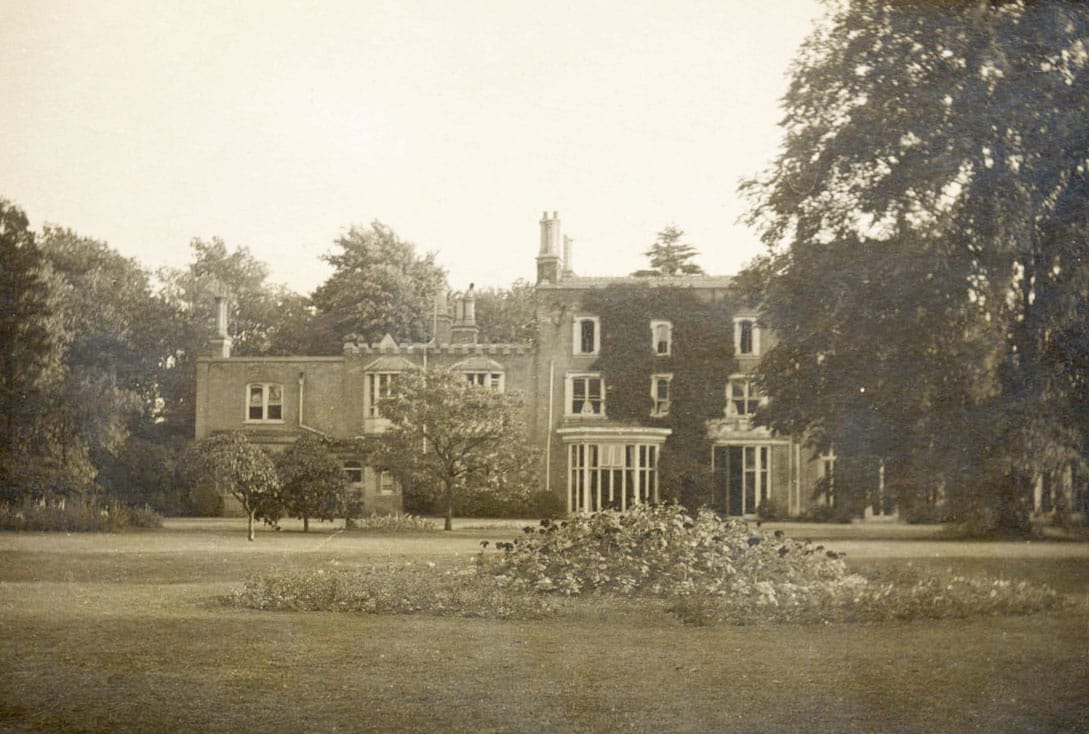
The story starts in 1920, when the Royal Dutch/Shell Group sought to create something unusual for its employees — a dedicated sports and social club where staff could play, connect and recharge. Land was purchased along Broom Road, and within a year the newly formed Lensbury Social and Athletic Club was bustling with activity in cricket, rugby, rowing, hockey, tennis and even chess. It was, from the beginning, a place rooted in camaraderie, shaped by the belief that leisure and community mattered.
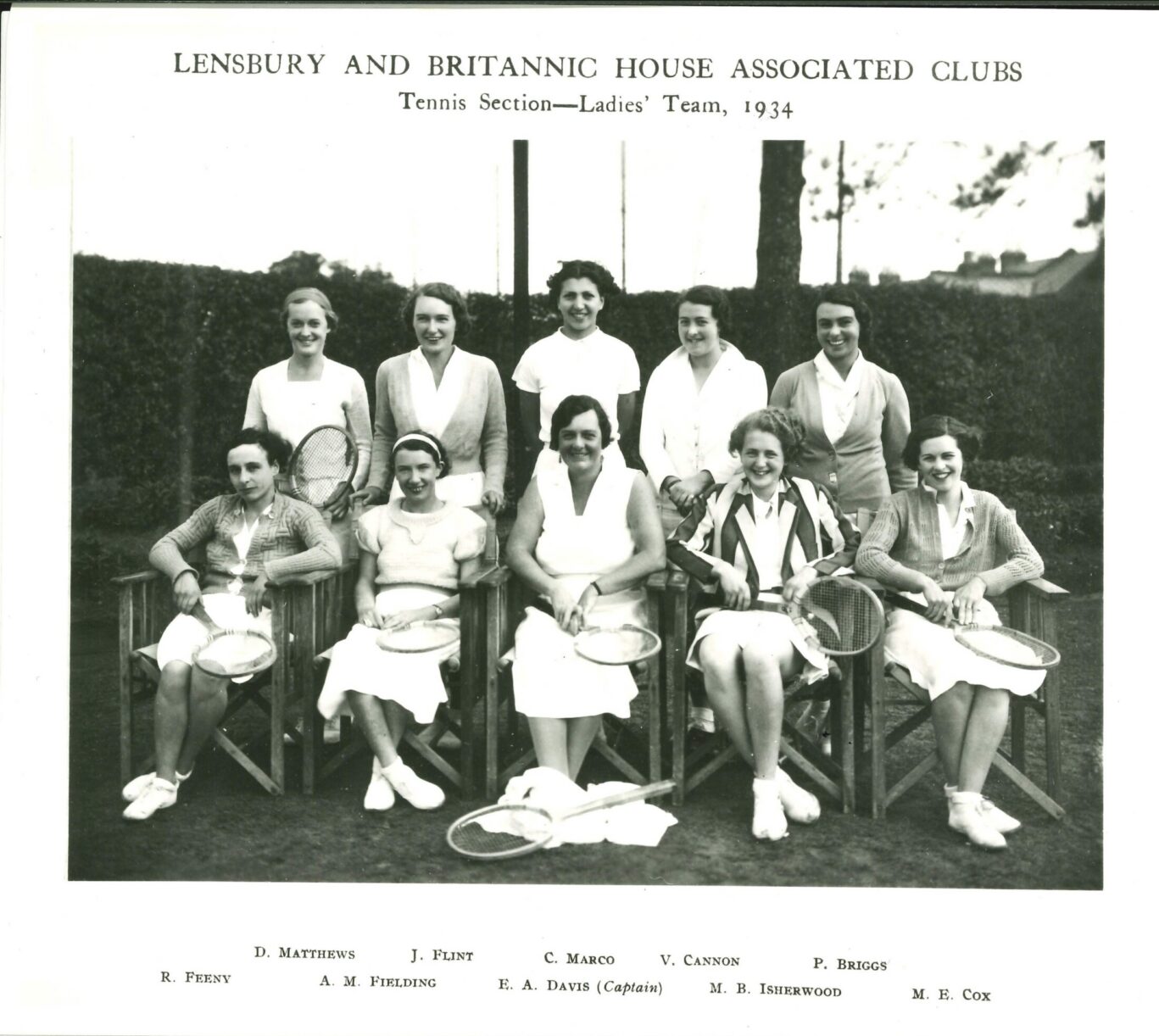
Its name, cleverly crafted by combining St Helens and Finsbury — the locations of Shell’s London offices — reflected its origins, but the space itself quickly outgrew the simplicity of its founding idea. Through the 1920s and 30s, The Lensbury expanded across both sides of Broom Road, acquiring new land and properties as its membership soared. In 1933, a merger with BP’s Britannic House club created a unique joint venture, amplifying both clubs’ ambitions for sport, recreation and community life.
1938 - 1950s
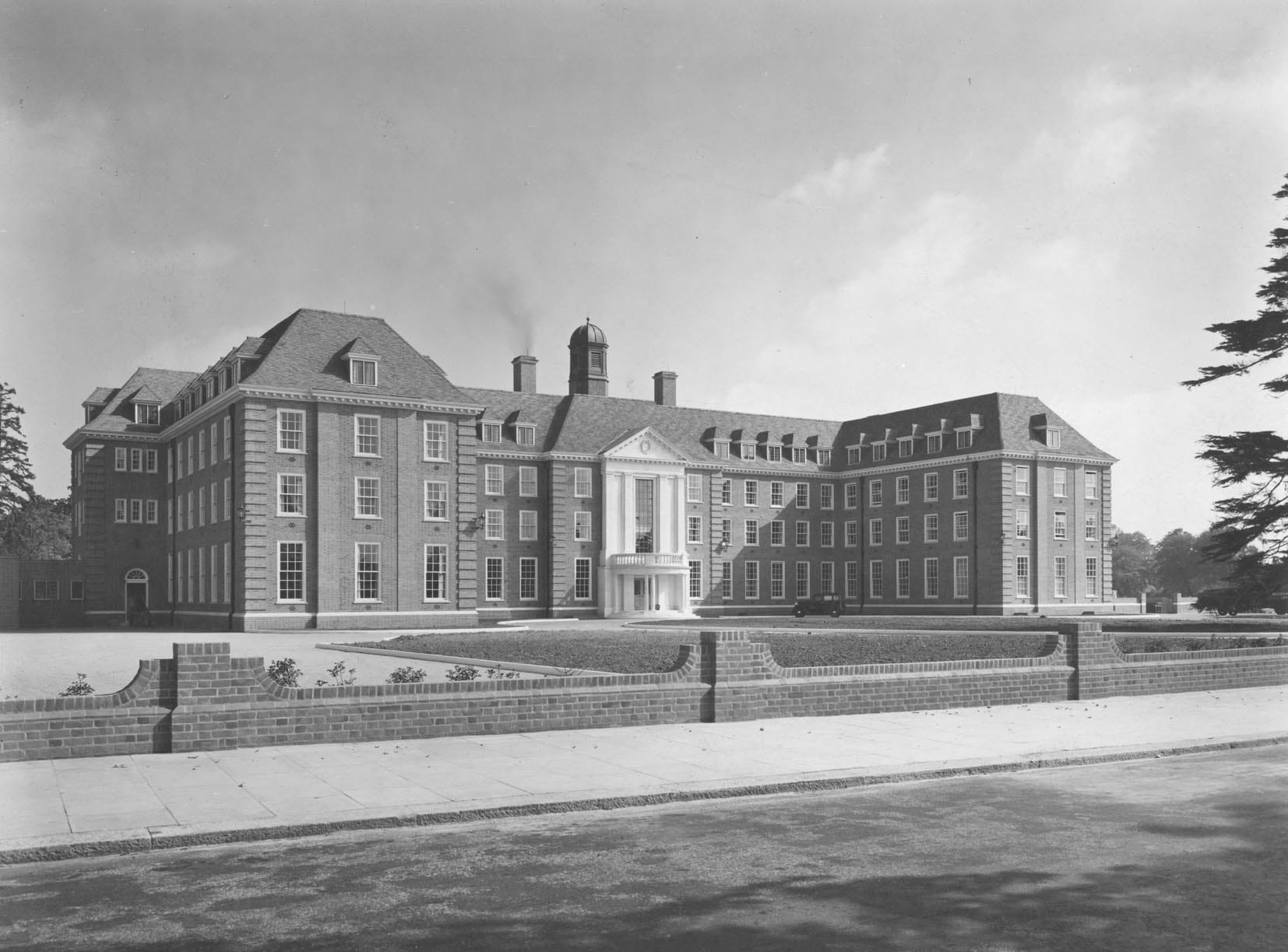
By 1938, a striking new clubhouse rose from the riverside — a Georgian‑style red‑brick building containing 162 bedrooms, dining rooms, a ballroom and a range of facilities that turned the club into a full‑scale destination. Designed by Walker and Harwood and built by Trollope & Colls, the new building reflected both the era’s architectural optimism and the club’s widening role in the lives of its members.
Then came the war. Like much of London, The Lensbury was pressed into service, its bedrooms turned into offices and its sports grounds ploughed to grow vegetables. Activities paused, but the community spirit remained, waiting to be rekindled when peace returned. And it did: by the early 1950s, the club was alive once again with sport, leisure and new pursuits. Membership climbed to 5,000 by 1956, with 27 active sections, and continued to rise through the 1960s as sailing, ballroom dancing, keep‑fit classes and more found their home on the Thames bank.
1960s - 1970s
As the decades turned, The Lensbury adapted. The partnership with BP ended in 1962, returning the club fully to Shell employees. Training facilities were added in 1967, expanding its role from leisure venue to corporate learning hub. And by the 1970s, financial and social changes prompted a shift towards a members‑governed structure — a sign that the club’s community was now strong enough to carry its legacy forward itself.
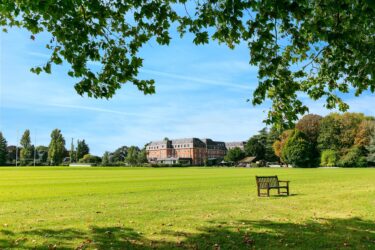
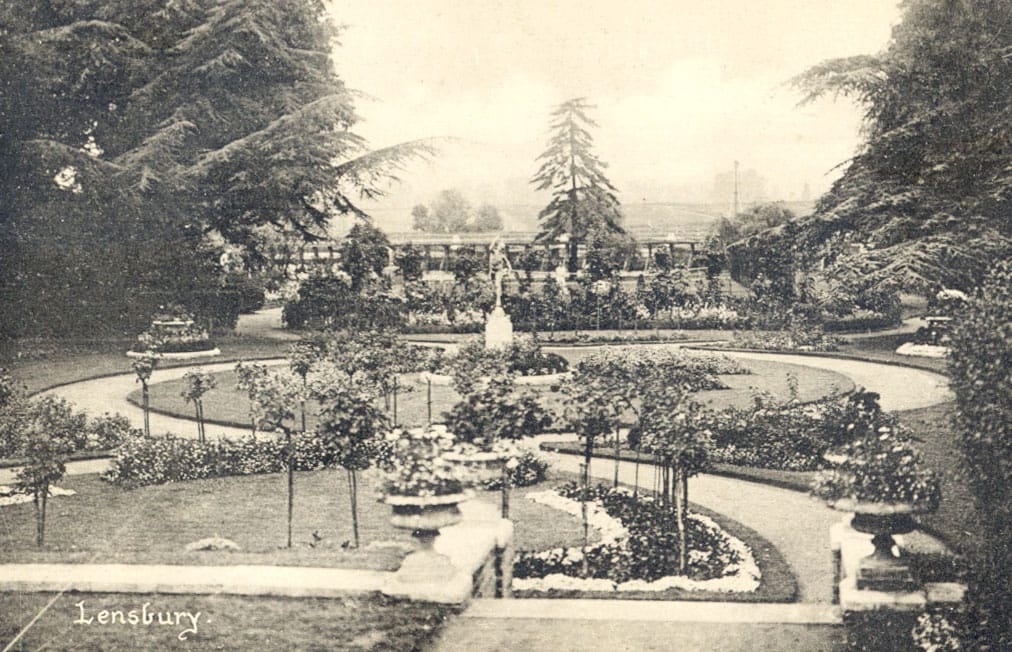
Yet through every change, the river remained constant. It framed the playing fields, shaped the club’s sporting identity, and provided a sense of place that anchored everything else. Over time, those 25 acres of riverside became not just Shell’s corporate escape, but a destination for guests, athletes, and families seeking space, calm and connection.
20th Century - Today
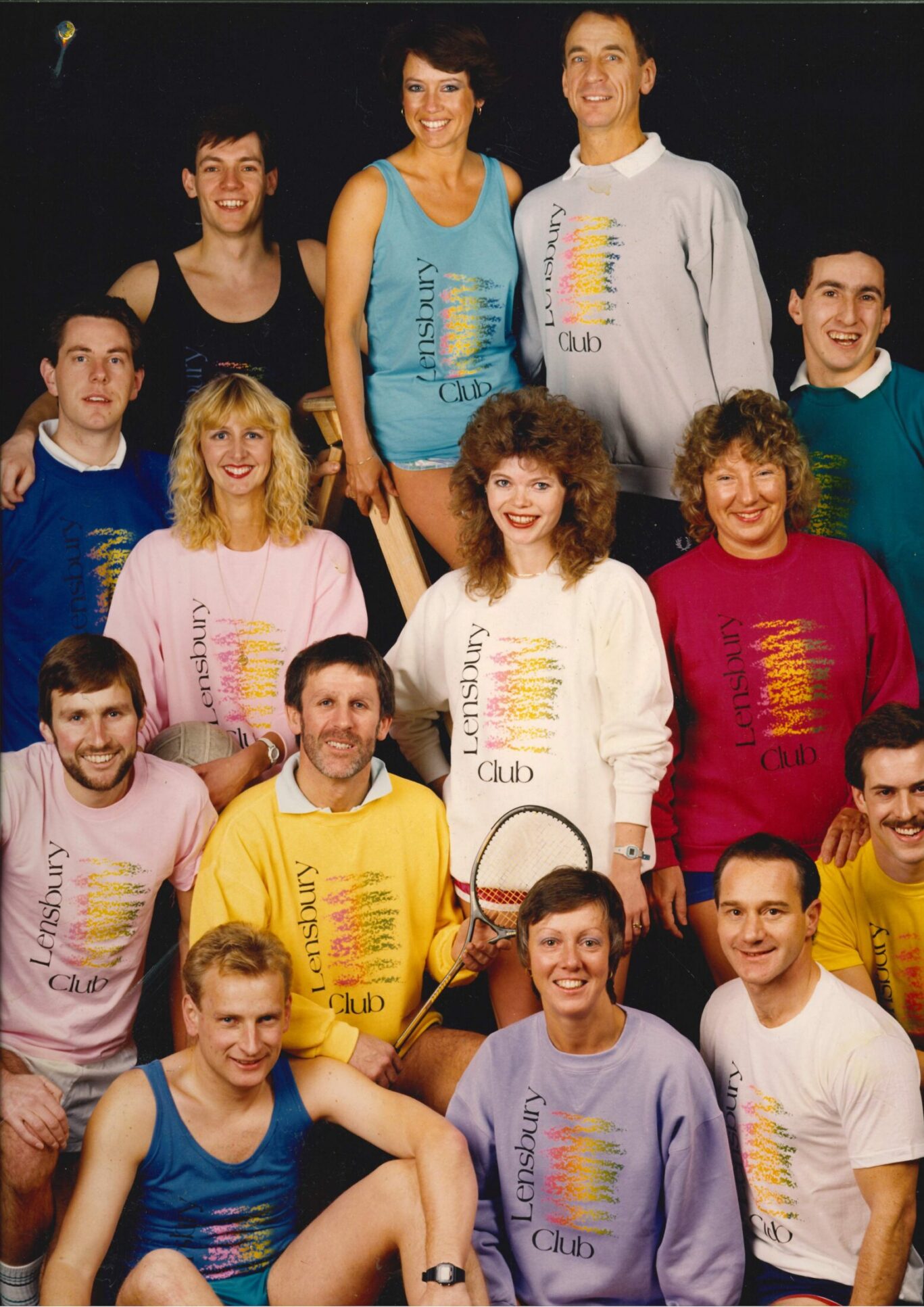
The next major transformation came in the late 20th century, when The Lensbury gradually transitioned from a private corporate club into the broader leisure, hotel and conference venue recognised today. In the 1990s, the name “Lensbury Club” gave way to simply The Lensbury, signalling a new chapter. And in 2019, ownership passed from Shell to Iconic Hotels & Resorts, allowing the property to continue evolving as an independent riverside retreat for a new generation of members and guests.
Today, the story of The Lensbury is a tapestry woven from each of these eras — the sporting traditions of its early decades, the resilience shown during wartime, the postwar boom in recreation, the architectural reinventions, and the steady expansion of facilities to meet the needs of changing times. Walk through its grounds today and you’ll find echoes of every chapter: the original sporting spirit, the sense of retreat from city life, the dedication to community and wellbeing, and the unmistakable character of a place shaped by a century of people coming together.
What has endured — and what continues to define The Lensbury — is the idea that a space on the river can bring people closer: to nature, to each other, and to moments of balance in the midst of modern life. That simple belief, first imagined by Shell’s founders in 1920, still flows beneath everything the club offers today.
And like the Thames itself, The Lensbury continues to move forward — carrying its history with it while carving a fresh path for the next hundred years.